

Schizoaffective disorder is a mental health disorder characterized by a combination of symptoms of schizophrenia and mood disorders. It can have a significant impact on a person’s daily life, affecting their ability to function at work, school, and in social situations. Understanding the nature of schizoaffective disorder is crucial in order to provide appropriate support and treatment for individuals living with this condition.
Key Takeaways:
- Schizoaffective disorder is a mental health disorder that combines symptoms of schizophrenia and mood disorders.
- There are two types of schizoaffective disorder: bipolar type and depressive type.
- Symptoms of schizoaffective disorder can vary from person to person and may include psychosis, mood disturbances, and impaired functioning.
- The exact causes of schizoaffective disorder are still being researched, but genetics and environmental factors are believed to play a role.
- Treatment options for schizoaffective disorder include medication, therapy, and lifestyle adjustments.
Symptoms of Schizoaffective Disorder
Schizoaffective disorder is a complex mental health condition that manifests in a variety of symptoms. These symptoms can vary from person to person, making the disorder challenging to diagnose and manage effectively.
One of the primary indicators of schizoaffective disorder is the presence of both psychotic symptoms and mood disorder symptoms. Psychotic symptoms may include hallucinations, where individuals see or hear things that aren’t real, or delusions, which are firmly held beliefs not supported by evidence. Mood disorder symptoms may include depressive episodes, characterized by feelings of sadness, hopelessness, and a loss of interest in activities, or manic episodes, characterized by an elevated mood, increased energy, and impulsive behavior.
In addition to these core symptoms, individuals with schizoaffective disorder may also experience impaired communication and speech, engaging in bizarre or unusual behavior, difficulties with self-care and personal hygiene, and significant challenges in occupational, academic, and social functioning. These symptoms can significantly impact daily life and may necessitate professional intervention.
To further understand the symptoms of schizoaffective disorder, refer to the table below:
| Symptoms | Examples |
|---|---|
| Psychotic Symptoms | Hallucinations, delusions |
| Mood Disorder Symptoms | Depressive episodes, manic episodes |
| Impaired Communication and Speech | Difficulty expressing thoughts, disorganized speech |
| Bizarre or Unusual Behavior | Engaging in rituals, odd mannerisms |
| Problems with Self-Care | Difficulty maintaining personal hygiene, neglecting basic needs |
| Impaired Occupational, Academic, and Social Functioning | Struggles at work or school, challenges in social relationships |
It’s important to note that a diagnosis of schizoaffective disorder requires the presence of a major mood episode and a two-week period of psychotic symptoms without a major mood episode. If you or someone you know is experiencing these symptoms, it is crucial to seek professional help for an accurate diagnosis and appropriate treatment options.
Causes of Schizoaffective Disorder
Understanding the causes of schizoaffective disorder is an ongoing area of research. While the exact factors that contribute to the development of this condition are not fully understood, several factors have been identified as potential influences.
Genetics is believed to play a significant role in the development of schizoaffective disorder. Having a close blood relative with schizoaffective disorder, schizophrenia, or bipolar disorder increases the risk of developing the condition. This suggests a possible genetic predisposition to the disorder.
Stressful life events can also be a triggering factor for the onset or worsening of symptoms in individuals with schizoaffective disorder. These events, such as traumatic experiences or major life changes, may disrupt the brain’s chemical balance and contribute to the development of the disorder.
Additionally, the use of mind-altering substances, such as drugs or alcohol, can impact the brain’s functioning and potentially worsen existing symptoms or trigger the onset of schizoaffective disorder in individuals who are genetically predisposed.
Risk Factors for Schizoaffective Disorder:
- Family history of schizoaffective disorder, schizophrenia, or bipolar disorder
- Previous traumatic experiences or significant life stressors
- Substance abuse or drug use
- Imbalances in brain chemicals and neurotransmitters
It is important to note that while these factors may contribute to the development of schizoaffective disorder, not everyone exposed to these influences will develop the condition. The interplay of genetic and environmental factors is complex, and more research is needed to fully understand the causes of schizoaffective disorder.
Schizoaffective Disorder Diagnosis
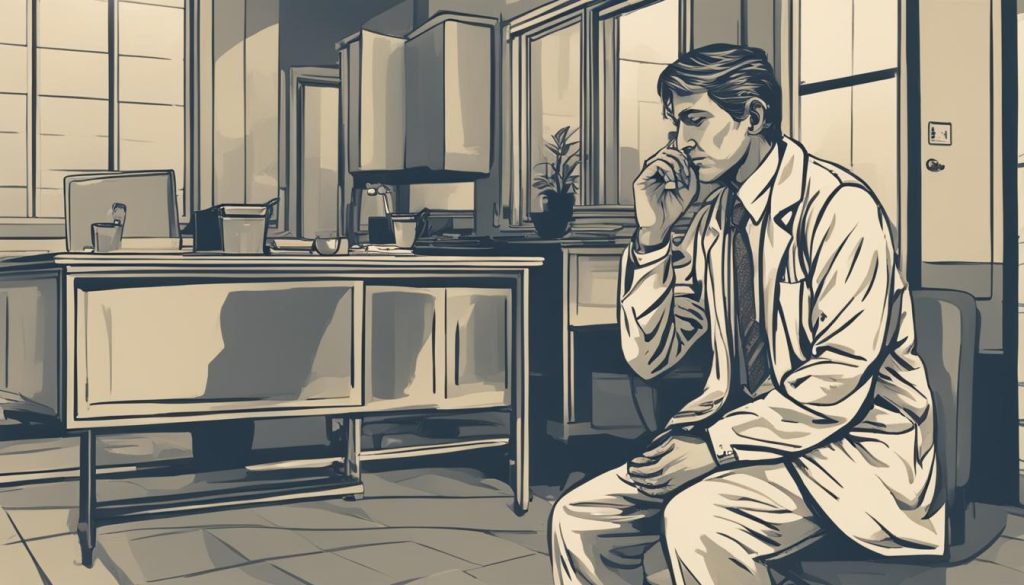
Diagnosing schizoaffective disorder involves a comprehensive evaluation of symptoms and medical history. A healthcare professional will carefully assess the presence of psychotic symptoms, mood symptoms, and the duration of these symptoms. They will also consider ruling out other possible causes of the symptoms, such as substance abuse or medical conditions. The Diagnostic and Statistical Manual of Mental Disorders (DSM-5) is used as a guideline for diagnosing schizoaffective disorder.
An accurate diagnosis is crucial in order to develop an appropriate treatment plan tailored to the individual’s specific needs. It also helps to provide clarity and understanding regarding the nature of the condition. The diagnostic process typically involves a combination of interviews, observations, and assessments. The healthcare professional will gather information about the individual’s symptoms, medical history, and family history of mental health disorders.
During the assessment, it is important to establish the presence of both psychotic symptoms and mood symptoms. The individual must have experienced at least two weeks of psychotic symptoms without a major mood episode to meet the diagnostic criteria for schizoaffective disorder. This distinction is important as it differentiates schizoaffective disorder from other mental health disorders, such as schizophrenia or bipolar disorder.
An accurate and timely diagnosis allows for the implementation of appropriate treatment strategies and support. It is essential for individuals experiencing symptoms of schizoaffective disorder to seek professional help and undergo a thorough evaluation to receive an accurate diagnosis.
Treatment Options for Schizoaffective Disorder
When it comes to managing schizoaffective disorder, a combination of medication and therapy is often recommended. Antipsychotic medications are commonly prescribed to help manage psychotic symptoms such as hallucinations and delusions. These medications work by regulating brain chemicals involved in the development of these symptoms. It’s important to work closely with a healthcare professional to find the right medication and dosage that works best for you.
In addition to medication, therapy can also be beneficial in the treatment of schizoaffective disorder. Cognitive-behavioral therapy (CBT) is a type of therapy that can help individuals develop coping skills, challenge negative thoughts, and improve their overall mental well-being. Family therapy may also be helpful in improving communication and understanding within the family unit.
Aside from medication and therapy, there are several other treatment options that can support individuals with schizoaffective disorder. These may include psychosocial interventions such as social skills training, vocational rehabilitation, and supported employment programs. These types of interventions aim to improve overall functioning and quality of life.
| Treatment Options | Description |
|---|---|
| Medication | Antipsychotic medications to manage psychotic symptoms |
| Therapy | Cognitive-behavioral therapy (CBT) to develop coping skills |
| Psychosocial interventions | Social skills training, vocational rehabilitation, and supported employment programs |
It’s important to note that everyone’s experience with schizoaffective disorder is unique, so treatment plans may vary. It may take time to find the right combination of treatments that work best for you. Regular communication with your healthcare team and consistent compliance with your treatment plan are essential for managing symptoms and improving your overall quality of life.
Schizoaffective Disorder Management

Managing schizoaffective disorder involves a comprehensive approach to treatment and self-care. By implementing various strategies, individuals can effectively minimize symptoms and improve their overall well-being. This section will explore some key techniques for managing schizoaffective disorder.
Schedule and Routine
Establishing a structured daily routine can be immensely helpful for individuals with schizoaffective disorder. Creating a schedule that includes regular sleep patterns, meal times, and activities can provide stability and a sense of control. By adhering to a consistent routine, individuals can better manage their symptoms and reduce stress. It is important to create a balance between work, rest, and leisure activities, allowing for adequate self-care and relaxation.
Exercise and Physical Health
Engaging in regular exercise is beneficial for both physical and mental health. Exercise has been shown to reduce symptoms of depression and anxiety, which are often associated with schizoaffective disorder. It can also improve cognitive function, boost mood, and increase overall well-being. Incorporating activities such as walking, jogging, yoga, or dancing into one’s routine can help manage symptoms and promote a healthier lifestyle.
Self-Care and Stress Reduction
Taking care of oneself and managing stress are essential aspects of managing schizoaffective disorder. This includes practicing relaxation techniques such as deep breathing, meditation, or mindfulness exercises. Engaging in activities that bring joy and fulfillment, such as hobbies or creative pursuits, can also help reduce stress and improve overall mental well-being. It is important to prioritize self-care and make time for activities that promote relaxation and self-expression.
| Management Strategies | Benefits |
|---|---|
| Following a structured routine | Provides stability and a sense of control |
| Engaging in regular exercise | Reduces symptoms of depression and anxiety |
| Practicing relaxation techniques | Helps manage stress and promote mental well-being |
Overall, effective management of schizoaffective disorder involves a combination of medication, therapy, and self-care strategies. By implementing these techniques, individuals can improve their quality of life and successfully navigate the challenges associated with the condition.
Living with Schizoaffective Disorder

Living with schizoaffective disorder can present unique challenges, but with the right support, treatment, and coping strategies, it is possible to lead a fulfilling life. It is important to educate oneself about the condition and understand that managing symptoms requires ongoing self-care and professional guidance.
Building a strong support network is crucial in navigating the ups and downs of schizoaffective disorder. Friends and family who are understanding and supportive can provide a safe space to share experiences and emotions. Additionally, connecting with others who have similar experiences through support groups or online communities can offer validation and a sense of belonging.
Effective communication with healthcare professionals is essential in managing schizoaffective disorder. Regular check-ins with a psychiatrist or therapist can help monitor symptoms, adjust medication if needed, and develop coping strategies. Openly discussing concerns, asking questions, and actively participating in treatment decisions are important in achieving the best possible outcomes.
Engaging in activities that promote mental and emotional well-being is also vital. This can include practicing self-compassion, engaging in hobbies or creative outlets, and prioritizing self-care routines. Taking care of physical health through regular exercise, a balanced diet, and sufficient sleep can also contribute to overall well-being.
Living with schizoaffective disorder requires a multifaceted approach that addresses both the physical and emotional aspects of the condition. With the right support system, treatment plan, and self-care practices, individuals with schizoaffective disorder can lead meaningful lives and effectively manage their symptoms.
Support for Schizoaffective Disorder
Individuals with schizoaffective disorder can benefit greatly from the various sources of support available to them. These resources can provide valuable assistance, guidance, and a sense of community for those navigating the challenges of living with this complex mental health condition.
One avenue of support is mental health organizations, which offer a range of services such as helplines, educational materials, and advocacy efforts. These organizations can help individuals access information about schizoaffective disorder, connect with professionals, and find local support groups.
Online communities dedicated to schizoaffective disorder also provide an invaluable platform for individuals to connect with others who share their experiences. These virtual communities allow for open dialogue, the exchange of advice, and the opportunity to receive validation and understanding from peers who can relate to the unique challenges of living with this condition.
Support groups, both in-person and virtual, offer a safe space for individuals with schizoaffective disorder to share their stories, gain insights from others, and receive support from those who have walked a similar path. These groups can foster a sense of belonging and provide practical coping strategies for managing symptoms and improving overall well-being.
In addition to these resources, counseling services can offer professional guidance and therapy tailored to the needs of individuals with schizoaffective disorder. Therapists can provide valuable tools and techniques for managing symptoms, addressing underlying issues, and promoting overall mental health.
Ultimately, accessing support is crucial for individuals with schizoaffective disorder. By reaching out to these various sources of assistance and maintaining connections with others who understand their journey, individuals can find the encouragement and empowerment they need to navigate the complexities of schizoaffective disorder and live fulfilling lives.
Causes of Schizoaffective Disorder
Schizoaffective disorder is a complex mental health condition that can significantly impact a person’s life. Fortunately, there are various treatment options available to help manage the symptoms and improve overall well-being. Medication and therapy are two essential components of treatment for schizoaffective disorder.
Schizoaffective Disorder Medication
Medication plays a crucial role in managing the symptoms of schizoaffective disorder. Antipsychotic medications are often prescribed to help reduce or eliminate psychotic symptoms such as hallucinations and delusions. These medications work by targeting the neurotransmitters in the brain that are believed to be involved in the development of these symptoms. Mood stabilizers and antidepressants may also be prescribed to help regulate and stabilize mood symptoms associated with schizoaffective disorder.
Schizoaffective Disorder Therapy
Therapy is another important aspect of treatment for schizoaffective disorder. Cognitive-behavioral therapy (CBT) is particularly effective in helping individuals with schizoaffective disorder develop coping strategies, identify distorted thinking patterns, and manage stress. CBT can also help improve social and occupational functioning by addressing social skills and vocational challenges. Family therapy may also be beneficial to involve loved ones in the treatment process and improve overall family dynamics.
Therapy is another important aspect of treatment for schizoaffective disorder. Cognitive-behavioral therapy (CBT) is particularly effective in helping individuals with schizoaffective disorder develop coping strategies, identify distorted thinking patterns, and manage stress.
It is important for individuals with schizoaffective disorder to work closely with their healthcare professionals to develop a personalized treatment plan that may include a combination of medication and therapy. Finding the right medication and therapy approach may take time, as each person’s experience with schizoaffective disorder is unique. However, with proper treatment and support, individuals with schizoaffective disorder can lead fulfilling lives and effectively manage their symptoms.
| Medication | Therapy |
|---|---|
| Antipsychotic medications | Cognitive-behavioral therapy (CBT) |
| Mood stabilizers | Family therapy |
| Antidepressants |
Combining the use of medication and therapy can significantly improve the symptoms and quality of life for individuals with schizoaffective disorder. It is important to consult with a healthcare professional to determine the most appropriate treatment plan based on individual needs and preferences.
Conclusion
Living with schizoaffective disorder can be challenging, but with the right treatment options and support, individuals can lead fulfilling lives. It is important to remember that schizoaffective disorder is a complex mental health condition that requires a comprehensive approach to management.
Treatment options for schizoaffective disorder often involve a combination of medication and therapy. Medications such as antipsychotics, mood stabilizers, and antidepressants can help manage symptoms and promote stability. Therapy, particularly cognitive-behavioral therapy, can assist individuals in developing coping strategies and addressing distorted thinking patterns.
Alongside professional treatment, self-care practices and support from loved ones and community resources are essential. Maintaining a structured daily routine, engaging in stress-reducing techniques, and seeking help when needed are crucial steps in managing the condition. Remember, living well with schizoaffective disorder is possible, and there is support available to help navigate the challenges.
FAQ
What is schizoaffective disorder?
Schizoaffective disorder is a mental health disorder characterized by a combination of symptoms of schizophrenia and mood disorders.
What are the symptoms of schizoaffective disorder?
Symptoms of schizoaffective disorder can vary but may include psychotic symptoms such as hallucinations or delusions, as well as symptoms of a mood disorder such as depression or mania.
What are the causes of schizoaffective disorder?
The exact causes of schizoaffective disorder are still being investigated, but genetics are believed to play a role. Stressful events and the use of mind-altering drugs can also trigger or worsen symptoms.
How is schizoaffective disorder diagnosed?
A diagnosis of schizoaffective disorder is made based on a thorough evaluation of symptoms and medical history. Healthcare professionals assess the presence of psychotic and mood symptoms and rule out other possible causes.
What are the treatment options for schizoaffective disorder?
Treatment usually involves a combination of medication and therapy. Antipsychotic medications are commonly prescribed to manage psychotic symptoms, while mood stabilizers or antidepressants may be used to address mood symptoms.
How can schizoaffective disorder be managed?
Strategies for managing schizoaffective disorder include maintaining a structured daily routine, engaging in regular exercise, practicing stress-reducing techniques, and seeking support from friends, family, or support groups.
What is it like to live with schizoaffective disorder?
Living with schizoaffective disorder can present challenges, but with appropriate treatment and support, it is possible to lead a fulfilling life. Educating oneself about the condition, seeking help when needed, and practicing self-care are important.
What support is available for individuals with schizoaffective disorder?
There are various sources of support available, including mental health organizations, online communities, support groups, and counseling services. Connecting with others who have similar experiences can provide validation and a sense of belonging.
What role does medication play in treating schizoaffective disorder?
Medication is often a crucial component of treating schizoaffective disorder. Antipsychotic medications, mood stabilizers, and antidepressants may be prescribed to manage symptoms and promote stability.
What is the conclusion for living with schizoaffective disorder?
With the right medication, therapy, support, and self-care practices, individuals with schizoaffective disorder can lead fulfilling lives and effectively manage their symptoms. Help is available, and it is possible to live well with schizoaffective disorder.
Source Links
- https://www.mayoclinic.org/diseases-conditions/schizoaffective-disorder/symptoms-causes/syc-20354504
- https://www.mind.org.uk/information-support/types-of-mental-health-problems/schizoaffective-disorder/about-schizoaffective-disorder/
- https://my.clevelandclinic.org/health/diseases/21544-schizoaffective-disorder


