
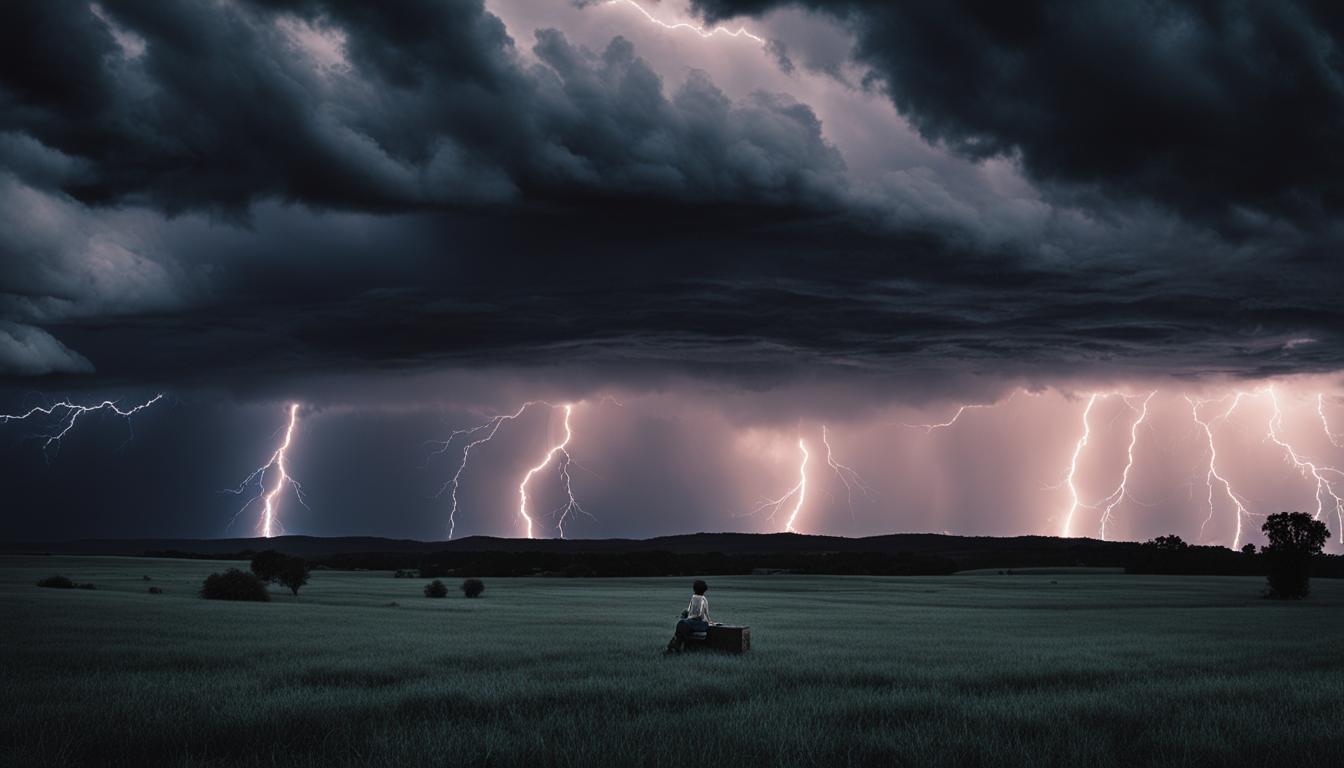
Astraphobia, also known as brontophobia, is an extreme and irrational fear of thunderstorms and lightning. It is a specific phobia that can interfere with a person’s daily functioning. Astraphobia is characterized by intense anxiety, excessive preparation for thunderstorms, frequent monitoring of weather forecasts, and panic attacks during storms. The term astraphobia is derived from the Greek words for lightning and fear. The causes of astraphobia can include past traumatic events, anxiety and fear-prone personality traits, autism, and sensory processing disorders.
Key Takeaways:
- Astraphobia is an extreme fear of thunderstorms and lightning.
- It can interfere with daily functioning and cause anxiety and panic attacks.
- Causes of astraphobia can include past traumatic events, anxiety-prone traits, autism, and sensory processing disorders.
- Treatment options include cognitive-behavioral therapy, exposure therapy, and medication.
- Coping strategies such as stress management and mindfulness can help manage astraphobia.
Causes of Astraphobia
Astraphobia, or the fear of thunderstorms and lightning, can have various causes. Traumatic events associated with thunderstorms, such as witnessing someone getting hurt, can create a fear response and contribute to the development of astraphobia. Individuals who are more prone to anxiety and fear are also at a higher risk of developing this specific phobia. Moreover, people with autism and sensory processing disorders, which are characterized by difficulties in processing sensory information, may experience astraphobia.
Experiencing a traumatic event during a thunderstorm, such as being struck by lightning or witnessing property damage, can leave a lasting impact on an individual’s psyche. This can lead to an association between thunderstorms and fear, triggering anxiety responses during future storms.
Additionally, individuals with a predisposition to anxiety and fear may be more susceptible to developing astraphobia. These individuals may have a heightened sensitivity to potential threats and may struggle with managing their fear in response to thunderstorms.
Furthermore, people with autism and sensory processing disorders may develop astraphobia due to their difficulties in processing sensory information. The loud noises and bright flashes associated with thunderstorms can be overwhelming for individuals with these conditions, leading to fear and anxiety.
In summary, astraphobia can be caused by traumatic events, anxiety and fear-prone personality traits, as well as autism and sensory processing disorders. Understanding the underlying causes can help individuals seek appropriate treatment and strategies to manage their fear of thunderstorms.
Signs and Symptoms of Astraphobia

Astraphobia, or the fear of thunderstorms, can manifest in various signs and symptoms. People with astraphobia may experience both physical and emotional reactions when confronted with thunderstorms.
Some common physical symptoms of astraphobia include:
- Chest pain
- Heart palpitations
- Difficulty breathing
- Numbness
- Sweating
These physical symptoms can be distressing and may intensify during a thunderstorm, leading to a state of heightened anxiety.
“The fear of thunderstorms can trigger a range of physical symptoms, including chest pain, heart palpitations, and difficulty breathing. These reactions are part of the body’s natural fight-or-flight response to perceived danger.”
Emotionally, individuals with astraphobia may engage in obsessive monitoring of storms, constantly checking weather forecasts and radar images. They may also exhibit shelter-seeking behavior, such as retreating to specific locations in their homes like closets or bathrooms. The fear of thunderstorms may be so intense that individuals with astraphobia may experience panic attacks, even if they recognize that their fear is irrational.
It is important to note that the signs and symptoms of astraphobia can vary from person to person. If these symptoms significantly impact daily life and functioning, it is recommended to seek professional help for diagnosis and treatment.
Diagnosis of Astraphobia
Astraphobia, like all specific phobias, can be diagnosed by a licensed mental health professional using the criteria outlined in the Diagnostic and Statistical Manual of Mental Disorders (DSM-V). The diagnosis requires the presence of persistent and excessive fear of thunderstorms, anxiety responses during storms, awareness of the disproportionate fear, avoidance of the feared situation, and significant interference with daily life.
A clinical interview and assessment of symptoms and history are typically conducted to make a diagnosis of astraphobia. The licensed mental health professional will ask about the individual’s experiences with thunderstorms, including any traumatic events associated with them. They will also inquire about the intensity and frequency of the fear, as well as the impact it has on the person’s daily functioning.
The assessment process may involve standardized questionnaires and rating scales to further evaluate the severity of the phobia. The mental health professional will also rule out any underlying medical conditions or other mental health disorders that may contribute to the fear of thunderstorms.
Table: Criteria for Diagnosing Astraphobia
| Criterion | Description |
|---|---|
| Persistent fear | Excessive fear of thunderstorms that lasts for six months or more |
| Anxiety responses | Strong anxiety or panic attacks when exposed to thunderstorms |
| Awareness of disproportionate fear | Recognizing that the fear is excessive or unreasonable |
| Avoidance | Avoidance of situations or places associated with thunderstorms |
| Interference with daily life | Significant impairment in social, occupational, or other important areas of functioning |
It is important for individuals experiencing astraphobia to seek help from a licensed mental health professional for an accurate diagnosis and appropriate treatment.
Treatment for Astraphobia
Astraphobia, or the fear of thunderstorms and lightning, can be a distressing and debilitating condition. However, there are effective treatments available to help individuals overcome their fear and manage their symptoms. The most commonly used treatments for astraphobia include cognitive-behavioral therapy (CBT), exposure therapy, and medication.
Cognitive-behavioral therapy (CBT) is a widely used and evidence-based approach for treating astraphobia. CBT helps individuals identify and challenge their irrational thoughts and beliefs about thunderstorms. By replacing these negative thoughts with more realistic and positive ones, individuals can change their emotional and behavioral responses to thunderstorms.
Exposure therapy involves gradually and systematically exposing individuals to their fear of thunderstorms in a controlled and supportive environment. Through repeated and prolonged exposure to thunderstorm-related stimuli, individuals can learn to tolerate their fear and reduce their anxiety response. Exposure therapy can be conducted in real-life situations or through virtual reality simulations.
Medication may be prescribed to help manage the symptoms of anxiety and fear associated with astraphobia. Selective serotonin reuptake inhibitors (SSRIs) are commonly used antidepressant medications that can help regulate mood and reduce anxiety. However, medication is usually used in conjunction with therapy and is not a standalone treatment for astraphobia.
Table: Comparison of Treatment Approaches for Astraphobia
| Treatment Approach | Description | Benefits |
|---|---|---|
| Cognitive-Behavioral Therapy (CBT) | Focuses on challenging and changing irrational thoughts and beliefs about thunderstorms | Helps individuals develop coping strategies, change behavioral responses, and reduce anxiety |
| Exposure Therapy | Gradual and controlled exposure to thunderstorm-related stimuli to reduce fear and anxiety | Enables individuals to tolerate and manage their fear, leading to decreased anxiety levels |
| Medication (SSRIs) | Prescribed to manage symptoms of anxiety and fear | Can help regulate mood, reduce anxiety, and support overall treatment progress |
It is important for individuals with astraphobia to seek professional help from licensed mental health professionals experienced in treating specific phobias. A combination of therapy and medication, if necessary, can provide a comprehensive and personalized treatment plan for astraphobia. With the right treatment and support, individuals can overcome their fear of thunderstorms and regain control of their lives.
Coping with Astraphobia

Astraphobia, the fear of thunderstorms and lightning, can be overwhelming for individuals who experience it. However, there are coping strategies that can help manage the anxiety and fear associated with astraphobia. Here are some effective techniques:
- Stress management techniques: Practicing stress management techniques, such as deep breathing exercises and progressive muscle relaxation, can help reduce anxiety during thunderstorms. These techniques promote relaxation and help individuals regain control over their emotions.
- Avoidance behaviors: It is important to avoid engaging in avoidance behaviors, such as isolating oneself or constantly monitoring weather forecasts. While these behaviors may provide temporary relief, they can perpetuate the fear in the long run. Instead, try to gradually expose yourself to the fear in a controlled manner.
- Mindfulness: Mindfulness techniques can help individuals with astraphobia focus on the present moment rather than getting caught up in anxious thoughts. By practicing mindfulness, individuals can learn to tolerate their anxiety and reduce the need for avoidance.
Remember, coping with astraphobia may take time and practice. It is important to be patient with yourself and celebrate each small step towards overcoming your fear. Seeking support from a licensed mental health professional can also be beneficial in developing personalized coping strategies tailored to your specific needs.
The Impact of Astraphobia
Astraphobia, the extreme and irrational fear of thunderstorms and lightning, can have a profound impact on the lives of individuals who experience it. Without appropriate treatment, astraphobia can contribute to the development of mood disorders, strain relationships, lead to social isolation, and even result in substance misuse.
Impact on Mood Disorders
Astraphobia can be a significant contributing factor to the development of mood disorders, such as anxiety and depression. The intense fear and anxiety experienced during thunderstorms can lead to chronic stress, which can negatively affect mental health over time. Individuals with astraphobia may experience persistent feelings of worry, sadness, and hopelessness, impacting their overall well-being.
Impact on Relationships and Social Isolation
The fear of thunderstorms can strain relationships, as individuals with astraphobia may feel the need to avoid social or outdoor activities that involve exposure to storms. This avoidance behavior can lead to feelings of isolation and loneliness. Additionally, the fear of leaving the house during storms can further contribute to social isolation, limiting opportunities for social interaction and support.
Impact on Substance Misuse
For some individuals with astraphobia, the extreme fear and anxiety associated with thunderstorms may lead to unhealthy coping mechanisms, such as substance misuse. These individuals may turn to drugs or alcohol as a way to temporarily escape or numb their fear. Substance misuse can exacerbate the negative effects of astraphobia, leading to further impairment in daily functioning and overall well-being.
| Impact of Astraphobia | Description |
|---|---|
| Mood Disorders | Astraphobia can contribute to the development of mood disorders, including anxiety and depression. |
| Relationships and Social Isolation | Astraphobia can strain relationships and lead to social isolation due to avoidance of social and outdoor activities during storms. |
| Substance Misuse | Some individuals with astraphobia may turn to substance misuse as a way to cope with their extreme fear and anxiety. |
It is important for individuals with astraphobia to seek professional help to address their fears and manage the impact on their lives. Through therapy, medication, and coping strategies, individuals can regain control, improve relationships, and lead fulfilling lives despite their fear of thunderstorms.
Childhood Astraphobia

Childhood astraphobia, also known as fear of thunderstorms in children, is a common phenomenon that many young kids experience. Thunderstorms can be loud and visually intense, leading to feelings of fear and anxiety in children who haven’t yet developed the coping mechanisms to deal with such situations. It is natural for children to experience fears and anxieties as part of their development, and astraphobia is one such fear that can arise during childhood.
As parents, it is important to provide reassurance and support when your child expresses fear of thunderstorms. Being calm and composed during a storm can help reassure your child that they are safe. Offering comfort and explaining that thunderstorms are a natural occurrence can help alleviate their fears. Distraction techniques, such as engaging in fun activities or playing games during a storm, can also divert their attention and help reduce anxiety.
If your child’s fear of thunderstorms persists and starts interfering with their daily life and functioning, it may be helpful to seek professional treatment. Cognitive-behavioral therapy (CBT) and exposure therapy are commonly used approaches to treat childhood astraphobia. These therapies can help children understand and challenge their irrational thoughts about thunderstorms and gradually expose them to their fear in a controlled setting, allowing them to build resilience and overcome their anxiety.
Conclusion
Astraphobia, also known as brontophobia, is a treatable phobia that can significantly impact a person’s life if left untreated. Overcoming astraphobia requires seeking appropriate treatment and implementing effective management strategies.
Professional help, such as therapy and medication, can play a crucial role in helping individuals overcome their fear of thunderstorms. Cognitive-behavioral therapy (CBT) and exposure therapy are common treatment approaches that can help individuals challenge their irrational thoughts and gradually desensitize them to thunderstorms.
In addition to seeking treatment, it is important for individuals with astraphobia to employ effective management strategies. Stress management techniques, such as deep breathing and progressive muscle relaxation, can help reduce anxiety during thunderstorms. Practicing mindfulness and focusing on the present moment can also assist in tolerating anxiety and reducing the need for avoidance behaviors.
With the right treatment and support, individuals with astraphobia can regain control of their lives and overcome their fear. By taking proactive steps, seeking treatment, and implementing management strategies, individuals can effectively manage their astraphobia and live a life free from the debilitating effects of this phobia.
FAQ
What is astraphobia?
Astraphobia, also known as brontophobia, is an extreme and irrational fear of thunderstorms and lightning.
What causes astraphobia?
Astraphobia can be caused by past traumatic events associated with thunderstorms and lightning, anxiety and fear-prone personality traits, autism, and sensory processing disorders.
What are the signs and symptoms of astraphobia?
Astraphobia is characterized by intense anxiety, excessive preparation for thunderstorms, frequent monitoring of weather forecasts, panic attacks during storms, chest pain, heart palpitations, difficulty breathing, obsessive monitoring of storms, and shelter-seeking behavior.
How is astraphobia diagnosed?
Astraphobia can be diagnosed by a licensed mental health professional using the criteria outlined in the Diagnostic and Statistical Manual of Mental Disorders (DSM-V). A clinical interview and assessment of symptoms and history are typically conducted.
What are the treatments for astraphobia?
Common treatment approaches for astraphobia include cognitive-behavioral therapy (CBT) to challenge and change irrational thoughts, exposure therapy to desensitize individuals to thunderstorms, and medications such as selective serotonin reuptake inhibitors (SSRIs) to manage symptoms of anxiety and fear.
How can individuals cope with astraphobia?
Coping strategies for astraphobia include stress management techniques, such as deep breathing and progressive muscle relaxation, avoiding avoidance behaviors, and practicing mindfulness to tolerate anxiety and reduce the need for avoidance.
What is the impact of astraphobia?
Without appropriate treatment, astraphobia can contribute to the development of mood disorders, strain relationships, lead to social isolation, and potentially result in substance misuse as a coping mechanism.
How can childhood astraphobia be managed?
Parents can help soothe their child’s fear of thunderstorms by remaining calm, providing reassurance, and using distraction techniques. If the fear persists and interferes with daily life, professional treatment, including CBT and exposure therapy, may be recommended.
How can individuals overcome astraphobia?
Seeking professional help, such as therapy and medication, can help individuals overcome their fear and manage their symptoms. Employing coping strategies, such as stress management techniques and mindfulness, can also aid in dealing with the fear of thunderstorms.


