
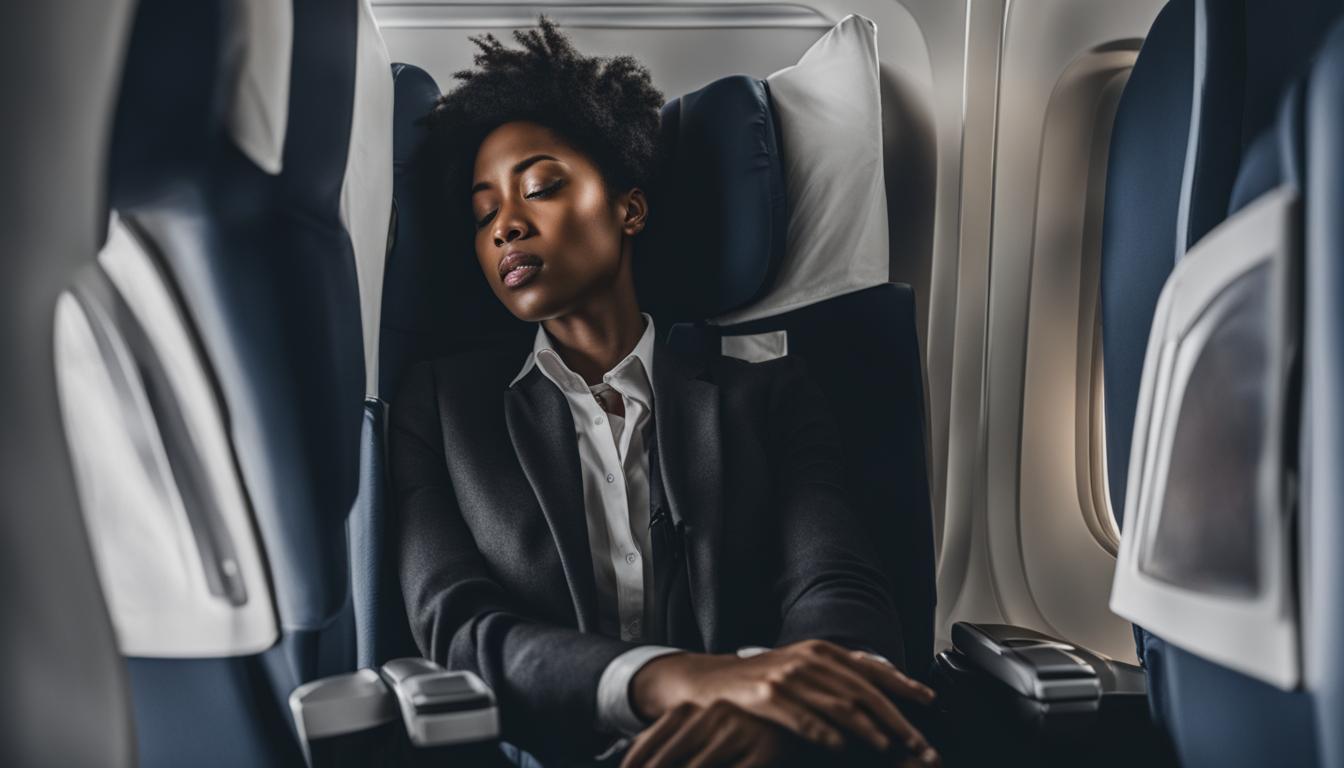
Aerophobia, also known as aviophobia or flying phobia, is a specific phobia characterized by an intense fear of flying or air travel. It affects a significant number of individuals, causing distress and anxiety when faced with the prospect of boarding an airplane. Fear of flying can range from mild anxiety to severe panic attacks, making it a common phobia that impacts many people’s daily lives.
While air travel is considered one of the safest modes of transportation, the fear and anxiety associated with flying persist. It is estimated that between 2.5% and 40% of individuals experience some level of flying-related anxiety each year. The fear of flying can be triggered by various factors, including past traumatic experiences, environmental influences, and other related circumstances.
Key Takeaways
- Aerophobia is a specific phobia characterized by a fear of flying or air travel.
- Between 2.5% and 40% of people experience flying-related anxiety each year.
- Symptoms of aerophobia include chills, increased heart rate, nausea, shaking, shortness of breath, and sweating.
- Aerophobia can be caused or worsened by other phobias and anxiety disorders.
- Proper treatment and coping strategies can help manage and overcome aerophobia.
Causes of Aerophobia
Aerophobia, the fear of flying, can be influenced by various factors, both physiological and psychological. Understanding the causes of aerophobia can help individuals identify and address the root of their fear. Some common causes of aerophobia include:
- Traumatic Flight Experiences: A past traumatic flight, such as experiencing severe turbulence or witnessing a plane crash, can leave a lasting impact and contribute to the development of aerophobia.
- Environmental Factors: Parental influence, exposure to negative media coverage of airline disasters, or being surrounded by individuals who exhibit fear of flying can all play a role in the development or worsening of aerophobia.
- Related Circumstances: Certain life events or circumstances, such as job-related stress, personal trauma (such as divorce or loss), or general anxiety disorders, can make individuals more susceptible to developing a fear of flying.
These causes can be interconnected and vary from person to person. It is important to remember that aerophobia is a complex condition influenced by different factors unique to each individual’s experiences and psychology.
Prevalence of Aerophobia
Aerophobia, the fear of flying, affects a significant number of individuals worldwide. While many people experience some level of fear or anxiety about flying, only a smaller proportion meet the criteria for a diagnosis of aerophobia. In the United Kingdom, it is estimated that between 2.5% and 5% of the population, which equates to between 168,000 and 336,000 people, experience aerophobia. Although specific statistics for the United States are not available, approximately 24% of Americans have some fear or anxiety about flying.
The prevalence of aerophobia highlights the impact it can have on individuals and the importance of understanding and addressing this fear. With a significant number of people affected, it is crucial to provide resources and support for those struggling with this phobia.
To better understand the prevalence of aerophobia, it can be helpful to visualize the number of individuals affected in a table:
| Country | Estimated Percentage of Population with Aerophobia | Number of People with Aerophobia |
|---|---|---|
| United Kingdom | 2.5% – 5% | 168,000 – 336,000 |
| United States | N/A | N/A |
Note: Specific statistics for the United States are not available at this time.
Common Triggers of Aerophobia
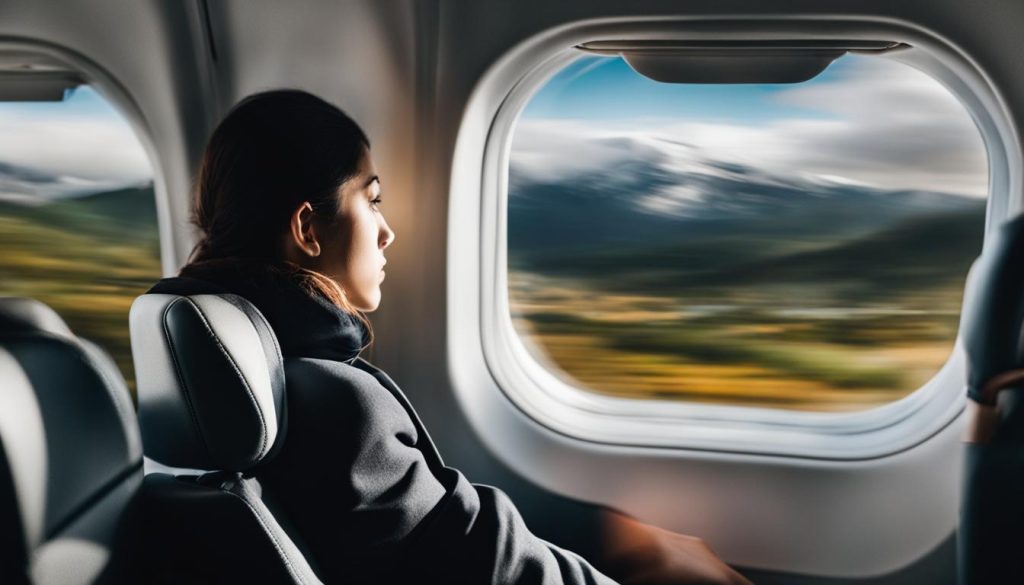
When it comes to aerophobia, there are several common triggers that can contribute to the fear of flying. These triggers can vary from person to person but often involve feelings of being enclosed in an airplane with no escape and a lack of control over personal safety. Turbulence during the flight, as well as the moments of take-off and landing, are also known triggers of anxiety for individuals with aerophobia.
One of the primary triggers of aerophobia is the fear of being in enclosed spaces, such as the cabin of an airplane. The feeling of being trapped or not having the ability to easily exit the aircraft can lead to a heightened sense of anxiety and discomfort. Additionally, the lack of control over personal safety can contribute to the fear of flying. Many individuals with aerophobia find it challenging to trust in the skills and abilities of the pilots and crew, which can intensify feelings of fear and unease.
Turbulence, which is a natural occurrence during flights, can also trigger anxiety in individuals with aerophobia. The sudden movements and shaking of the aircraft can create a sense of instability and danger, exacerbating the fear of flying. Furthermore, the moments of take-off and landing, which involve changes in altitude and speed, can be particularly anxiety-inducing for those with aerophobia.
In summary, the common triggers of aerophobia include the fear of being in enclosed spaces, a lack of control over personal safety, turbulence, and the moments of take-off and landing. These triggers can elicit strong feelings of anxiety and fear in individuals with aerophobia, making air travel a challenging experience for them.
Symptoms of Aerophobia
Aerophobia, also known as the fear of flying, can manifest in various symptoms that can significantly impact individuals who experience this phobia. These symptoms can be both physical and psychological, causing distress and anxiety before, during, and after air travel. Understanding the symptoms of aerophobia is crucial in recognizing and addressing this fear effectively.
Anxiety: Anxiety is a common symptom experienced by individuals with aerophobia. The anticipation of flying or the mere thought of boarding an aircraft can trigger intense feelings of fear, worry, and unease. This anxiety can range from mild to severe, depending on the individual and the specific triggers associated with their fear.
Panic Attacks: Some people with aerophobia may even experience panic attacks, which are sudden and overwhelming episodes of intense fear or discomfort. Panic attacks can be accompanied by physical symptoms such as rapid heartbeat, chest pain, trembling, shortness of breath, dizziness, and a feeling of impending doom. These attacks can be debilitating and may lead to avoidance behaviors and further reinforcement of the fear of flying.
Anticipatory Anxiety: Anticipatory anxiety is another common symptom of aerophobia. It refers to the persistent worry and fear that individuals experience in the days or weeks leading up to a scheduled flight. This anxiety can interfere with daily functioning and cause significant distress, making it difficult for individuals to focus on other aspects of their lives.
“The fear of flying doesn’t just stay in the air; it affects every aspect of my life. The anxiety starts weeks before the flight and consumes my thoughts. I can’t sleep, I can’t eat, and I can’t enjoy anything until the flight is over.”
Recognizing and understanding these symptoms is essential in seeking appropriate support and treatment for aerophobia. With the right strategies and interventions, individuals can learn to manage their fear of flying and regain control over their lives.
| Symptoms of Aerophobia | Additional Information |
|---|---|
| Anxiety | Feelings of fear, worry, and unease related to flying |
| Panic Attacks | Sudden and overwhelming episodes of intense fear, accompanied by physical symptoms |
| Anticipatory Anxiety | Persistent worry and fear leading up to a scheduled flight |
Related Phobias and Disorders

Alongside aerophobia, there are several related phobias and anxiety disorders that can contribute to a fear of flying. These include claustrophobia, fear of heights, social anxiety, and germ phobia. Understanding the connections between these conditions can provide insights into the specific challenges and conditions associated with air travel.
1. Claustrophobia: Claustrophobia, or the fear of enclosed spaces, often arises due to the confined spaces of airplanes. The combination of being in a confined environment with limited escape options can heighten anxiety levels for individuals with claustrophobia.
2. Fear of Heights: The fear of heights, known as acrophobia, can also contribute to aerophobia. The anxiety experienced during take-off, landing, and being at high altitudes can trigger intense fear in individuals who are already afraid of heights.
3. Social Anxiety: Social anxiety, characterized by a fear of being judged or embarrassed in social situations, can manifest in the fear of flying. The crowded spaces, interactions with strangers, and heightened security measures associated with air travel can exacerbate social anxiety symptoms.
4. Germ Phobia: Germ phobia, also known as mysophobia or germophobia, involves an excessive fear of germs and contamination. Airports and airplanes can be perceived as environments with a high risk of exposure to germs, which may trigger anxiety in individuals with germ phobia.
“Understanding the connections between related phobias and disorders can provide insights into the specific challenges and conditions associated with air travel.”
Treatment Options for Aerophobia
Overcoming the fear of flying, also known as aerophobia, is possible with the help of various treatment options. These approaches aim to alleviate anxiety, change negative thought patterns, and gradually expose individuals to their fears. The most effective treatment strategies for aerophobia include cognitive behavioral therapy (CBT), exposure therapy, and medication.
Cognitive behavioral therapy (CBT) focuses on identifying and challenging negative thoughts and beliefs related to flying. In therapy sessions, individuals learn to replace irrational fears with more realistic and positive thinking patterns. CBT also equips individuals with coping mechanisms and relaxation techniques to manage anxiety during flights and reduce anticipatory anxiety before trips.
Exposure therapy is another effective method for treating aerophobia. It involves gradually exposing individuals to situations that trigger their fear of flying, starting with less anxiety-provoking scenarios and progressing to more challenging ones. This gradual exposure allows individuals to build resilience and develop confidence in their ability to cope with flying-related fears.
In some cases, medication can be prescribed to manage symptoms associated with aerophobia. Anti-anxiety medications, such as benzodiazepines or selective serotonin reuptake inhibitors (SSRIs), may be used to alleviate anxiety and panic symptoms. It is important to consult with a healthcare professional to determine the appropriate medication and dosage based on individual needs.
Additionally, fear of flying courses and self-help strategies can complement formal treatment approaches. These may include education about flying to address misconceptions and fears, relaxation techniques such as deep breathing and visualization, and self-help books or online resources specifically designed to help individuals overcome their fear of flying.
Cognitive Behavioral Therapy (CBT)
Cognitive behavioral therapy (CBT) is a widely used and effective treatment for aerophobia. It focuses on identifying and challenging negative thoughts and beliefs that contribute to fear of flying. Through CBT, individuals learn to reframe their thoughts, develop coping strategies, and practice relaxation techniques to manage anxiety during flights.
Exposure Therapy
Exposure therapy is a behavioral therapy approach that gradually exposes individuals to feared situations or stimuli. In the context of aerophobia, exposure therapy involves systematically and gradually exposing individuals to flight-related triggers. This could include visiting an airport, boarding an airplane without taking off, and eventually taking shorter flights. By repeatedly facing their fears, individuals can learn that their anxiety decreases over time and develop a greater sense of control.
Medication
In some cases, medication may be prescribed to help manage symptoms of aerophobia. Anti-anxiety medications, such as benzodiazepines, can help reduce anxiety levels and promote relaxation during flights. Selective serotonin reuptake inhibitors (SSRIs) may also be prescribed to alleviate symptoms of anxiety and depression related to the fear of flying. It is important to consult with a healthcare professional to discuss the potential benefits and risks of medication.
Coping Strategies for Aerophobia

Aerophobia, or the fear of flying, can be a challenging phobia to overcome. However, there are coping strategies that can help individuals manage and reduce their fear. By implementing these strategies, individuals can take steps towards regaining control and feeling more comfortable when it comes to air travel.
Education about flying
One effective coping strategy for aerophobia is to educate oneself about flying. Learning about the mechanics of airplanes, the safety protocols in place, and the statistics regarding the safety of air travel can help to alleviate the fear of the unknown. By understanding how airplanes operate and the extensive safety measures in place, individuals can feel more confident and reassured during their flights.
Challenge negative thoughts
Negative thoughts and catastrophic thinking can fuel the fear of flying. It’s important to challenge these negative thoughts and replace them with more realistic and positive ones. This can be done by questioning the evidence supporting these negative thoughts and considering alternative perspectives. Cognitive strategies such as reframing and self-talk can also be helpful in shifting negative thinking patterns.
Recognize triggers
Identifying and recognizing the triggers that contribute to aerophobia is another important coping strategy. This could include specific situations, sounds, or even thoughts that intensify the fear of flying. By becoming aware of these triggers, individuals can develop strategies to manage and mitigate their impact. This may involve practicing relaxation techniques, engaging in deep breathing exercises, or distracting oneself with calming activities during flights.
Relaxation techniques
Implementing relaxation techniques can be effective in reducing anxiety and promoting a sense of calm during air travel. Deep breathing exercises, visualization techniques, and progressive muscle relaxation can help to alleviate physical symptoms of anxiety and promote a more relaxed state of mind. Engaging in these relaxation techniques both before and during flights can help individuals manage their fear and feel more at ease.
| Coping Strategies for Aerophobia |
|---|
| Education about flying |
| Challenge negative thoughts |
| Recognize triggers |
| Relaxation techniques |
Lifestyle Changes for Managing Aerophobia
Managing aerophobia, or the fear of flying, involves implementing lifestyle changes that can help reduce anxiety levels and improve overall well-being. By making these adjustments, individuals with aerophobia can take proactive steps towards managing their fear and enjoying the benefits of air travel.
Stress Reduction
One of the key lifestyle changes for managing aerophobia is stress reduction. High stress levels can exacerbate anxiety symptoms, making the fear of flying even more challenging to overcome. To reduce stress, individuals can incorporate stress management techniques into their daily routine. This may include practicing relaxation exercises such as deep breathing, meditation, or yoga. Engaging in activities that promote relaxation and self-care, such as taking warm baths, reading, or listening to calming music, can also help alleviate stress associated with flying. Additionally, seeking support from friends, family, or joining support groups for individuals with aerophobia can provide emotional reassurance and encouragement.
Healthy Diet
Adopting a healthy diet can contribute to managing aerophobia by promoting overall well-being and reducing anxiety levels. Certain foods, such as those rich in omega-3 fatty acids, vitamins, and minerals, can have a positive impact on mood and alleviate symptoms of anxiety. Incorporating foods such as fatty fish, nuts, seeds, whole grains, fruits, and vegetables into one’s diet can help maintain stable blood sugar levels and provide essential nutrients that support brain health. Avoiding or minimizing the consumption of caffeine, alcohol, and processed foods can also be beneficial, as these substances can increase anxiety and worsen symptoms associated with the fear of flying.
Exercise and Sleep Routine
Regular exercise and a consistent sleep routine are important lifestyle changes for managing aerophobia. Engaging in physical activity, such as walking, jogging, cycling, or participating in sports, releases endorphins and promotes a sense of well-being. Exercise can also reduce stress, improve sleep quality, and boost overall mood. Establishing a consistent sleep routine is equally important, as quality sleep plays a crucial role in managing anxiety symptoms. Maintaining a regular sleep schedule, creating a calming bedtime routine, and optimizing sleep environment by ensuring a comfortable, dark, and quiet space can contribute to better sleep quality and overall mental well-being.
Incorporating these lifestyle changes into daily life can help individuals with aerophobia better manage their fear of flying and enhance their overall well-being. While these adjustments may not completely eliminate the fear, they can provide individuals with the tools and support needed to cope with and navigate their anxiety during air travel.
Professional Help for Aerophobia
If you find that your fear of flying is significantly impacting your daily life and well-being, it is important to seek professional help from a qualified mental health professional. Consulting with a professional can provide you with the guidance and support needed to overcome aerophobia and regain control over your fear.
During a consultation with a mental health professional, they will conduct a thorough evaluation to diagnose aerophobia and determine if there are any underlying conditions contributing to your fear. This allows for the development of an individualized treatment plan tailored to your specific needs and circumstances.
The treatment plan may include various therapeutic approaches such as cognitive behavioral therapy (CBT), exposure therapy, and medication. Cognitive behavioral therapy focuses on identifying and changing negative thoughts and behaviors related to flying, while exposure therapy involves gradually exposing yourself to flying-related situations in a controlled and supportive environment. Medications such as anti-anxiety medications may also be prescribed to help alleviate symptoms associated with the fear of flying.
Remember, seeking professional help for aerophobia is a proactive step towards overcoming your fear and enjoying the benefits of air travel. With the right support and treatment, you can learn effective coping strategies and regain confidence in flying.
Quotes
“Consulting with a mental health professional can provide you with the guidance and support needed to overcome aerophobia and regain control over your fear.”
“The treatment plan may include various therapeutic approaches such as cognitive behavioral therapy, exposure therapy, and medication.”
“Remember, seeking professional help for aerophobia is a proactive step towards overcoming your fear and enjoying the benefits of air travel.”
Conclusion
In conclusion, aerophobia, also known as the fear of flying, is a common phobia that affects a significant number of individuals. This fear can be triggered by various factors, including past traumatic experiences, environmental influences, and personal circumstances. The symptoms of aerophobia can range from mild anxiety to panic attacks, making it important to address and manage this fear effectively.
Fortunately, there are several treatment options available for individuals struggling with aerophobia. Cognitive behavioral therapy (CBT) and exposure therapy have shown to be effective in helping individuals overcome their fear of flying. In some cases, medication may be prescribed to alleviate symptoms associated with the fear. Additionally, coping strategies such as education, challenging negative thoughts, and relaxation techniques can aid in managing aerophobia.
If aerophobia significantly impacts one’s quality of life, it is advisable to seek professional help from a qualified mental health professional. They can provide a proper diagnosis and develop an individualized treatment plan based on the severity of the phobia. By taking proactive steps to address and manage aerophobia, individuals can regain control and ultimately enjoy the benefits of air travel.
FAQ
What is aerophobia?
Aerophobia, also known as fear of flying or aviophobia, is a specific phobia characterized by a fear of air travel.
What are the causes of aerophobia?
The causes of aerophobia can vary and may include experiencing a traumatic flight or plane crash, environmental factors such as parental influence or negative media coverage of airline disasters, and other related circumstances like job-related stress or the trauma of divorce.
How common is aerophobia?
The prevalence of aerophobia varies, with estimates suggesting that between 2.5% and 5% of people in the UK experience it. In the US, approximately 24% of people have some fear or anxiety about flying, but the number of people with aerophobia is not specified.
What are the common triggers of aerophobia?
Common triggers of aerophobia include being enclosed in an airplane with no escape, feeling a lack of control over personal safety, experiencing turbulence, fears related to take-off and landing, and a general lack of understanding about how airplanes function. Media portrayal of plane crashes and incidents can also contribute to the fear of flying.
What are the symptoms of aerophobia?
Symptoms of aerophobia can include chills, increased heart rate, nausea, shaking, shortness of breath, sweating, and even panic attacks. Anticipatory anxiety, which occurs before a scheduled flight, is also common.
Are there any related phobias or disorders?
Yes, aerophobia can be related to other phobias and anxiety disorders such as claustrophobia, fear of heights, social anxiety, and germ phobia. People with these related phobias and disorders may develop a fear of flying due to the specific challenges and conditions associated with air travel.
What are the treatment options for aerophobia?
Treatment options for aerophobia include cognitive behavioral therapy (CBT), exposure therapy, medication, fear of flying courses, and self-help strategies like education and relaxation techniques.
What are some coping strategies for aerophobia?
Coping strategies for aerophobia include educating oneself about flying, challenging negative thoughts, recognizing triggers, and practicing relaxation techniques such as deep breathing and visualization.
Can lifestyle changes help manage aerophobia?
Yes, lifestyle changes such as stress management techniques, a healthy diet, regular exercise, and a consistent sleep routine can be beneficial for managing aerophobia.
When should I seek professional help for aerophobia?
If aerophobia significantly impacts your quality of life, it is recommended to seek professional help from a qualified mental health professional. They can diagnose the phobia, determine if there are any underlying conditions, and develop an individualized treatment plan.
What is the conclusion about aerophobia?
Aerophobia, or fear of flying, is a common phobia that can have a significant impact on a person’s quality of life. With proper treatment and coping strategies, aerophobia can be managed and even overcome. It is important to seek professional help if aerophobia significantly affects your daily life and well-being.


