
The mental health landscape is dotted with a myriad of treatments, but perhaps none as intriguing as the one that began as a solution for epilepsy and later paved its way into the sphere of mood disorders: Depakote medication. In the United States alone, this stalwart of mental health treatment aids millions, as it addresses not just bipolar disorder but advances into territories like migraine prophylaxis and comprehensive seizure management. With the delicate balance between efficacy and safety, Divaproex sodium stands as a testament to the evolution of drug safety and patient care in the realm of neuro-psychiatric disorders.
Key Takeaways
- Depakote’s use in mental health extends beyond bipolar disorder treatment, encompassing seizure management and migraine prevention.
- The impact of Divalproex sodium is pronounced in the comprehensive care for patients with varying neurological and psychiatric needs.
- Effective patient care with Depakote involves vigilant monitoring and an adept understanding of drug safety protocols.
- Divalproex sodium’s role in mental health treatment exemplifies the importance of interprofessional healthcare cooperation for optimized patient outcomes.
- Migraine prophylaxis with Depakote since its FDA approval in 1996 has provided a new avenue for individuals struggling with chronic migraines.
- Understanding the risks and benefits of Depakote is crucial in the pursuit of achieving the best therapeutic results in mental health practices.
An Overview of Divalproex Sodium and Its Clinical Applications
Depakote Divalproex, widely recognized for its therapeutic applications, serves as a cornerstone in the management of various neurological conditions. As both an anticonvulsant and mood stabilizer, this medication can be prescribed for the treatment of a broad spectrum of seizure disorders and is an essential part of the therapeutic armamentarium for bipolar mood disorder.
The dual constituent nature of Divalproex sodium, combining sodium valproate with valproic acid, contributes to its efficacy in treating a myriad of seizure types, including but not limited to:
- Myoclonic seizures
- Absence epilepsy
- Generalized convulsions
- Partial seizures
- Status epilepticus
Furthermore, its role in mitigating symptoms associated with bipolar disorder, offering relief during acute depressive or manic episodes, is noteworthy.
Over the years, Divalproex sodium has emerged as an alternative to lithium therapy in the realm of bipolar disorder management. However, recent investigations highlight that while Divalproex is effective, lithium may be superior in diminishing the risk of suicide attempts and fatalities. The following table contrasts the applications of Depakote Divalproex for its FDA-approved and off-label uses.
| Condition | FDA-Approved | Off-Label |
|---|---|---|
| Seizure Disorders | Yes | No |
| Manic Episodes of Bipolar Disorder | Yes | Yes (maintenance and prevention) |
| Migraine Prophylaxis | No | Yes |
Whether employed as monotherapy or in combination with other treatments, Divalproex sodium’s versatile medicinal profile makes it a valuable option for clinicians. Consistent with its FDA label, divergent therapeutic avenues have been explored, emblematic of its evolving use in clinical contexts.
Understanding Depakote (Divalproex Sodium): History and Medical Indications
The origins of Depakote, an established name in the field of neurology and psychiatry, trace back to the 1960s when its core component, valproic acid (VPA), unveiled its anticonvulsant properties. These properties spearheaded a new epoch in epilepsy treatment and seizure prevention, setting the stage for its future medical breakthroughs. Not until 1978 did the FDA recognize and approve this compound for combating absence seizures, a milestone that marked the beginning of a new chapter in Depakote history.
As research on this medication progressed, the span of medical indications for Depakote widened, encompassing a greater range of epileptic disorders, and extending its proficiency to the realm of mood disorder management. Divalproex sodium, the stabilized form of VPA, has since been integral in managing complex partial seizures and enjoys the status of a first-line or adjunctive treatment option across various types of epilepsy.
Today, Depakote’s therapeutic versatility is recognized not only in neurology but also in psychiatry, where it effectively treats bipolar mood disorders and assists in conduct disorder management within the pediatric demographic.
Equally important is its ongoing investigation in oncology circles as a potential adversary for cancer, highlighting its dynamic capability in medical science.
- 1962: Discovery of valproic acid’s anticonvulsant properties
- 1978: FDA approval for absence seizure treatment
- Expanding use for complex partial seizures and bipolar mood disorder
- First-line and adjunctive therapy for multiple epilepsy forms
- Research into applications for cancer therapy
| Era | Historical Significance | Medical Indications |
|---|---|---|
| 1962 | Discovery of VPA’s anticonvulsant properties | Exploratory |
| 1978 | FDA approval for treating absence seizures | Seizure Prevention |
| 1980s-1990s | Usage extends to complex partial seizures management | Epilepsy Treatment |
| 2000s-Present | Regarded as a significant option for bipolar mood disorder | Mood Disorder Management |
Indeed, Depakote symbolizes a significant evolution in the field of medical treatment for neurological and psychiatric conditions, offering effective management and preventive measures, while also promising new horizons in the ongoing fight against complex diseases.
Depakote Divalproex: Mechanism of Action in the Brain
The therapeutic benefits of Depakote Divalproex in epilepsy management and mood regulation are deeply rooted in its intricate mechanism of action. This anticonvulsant drug targets the core of neuronal activity, exercising profound control over the brain’s electrical impulses and chemical messengers.
Effects on Neurotransmission and Voltages
One of the primary actions of Depakote involves the modulation of neurotransmission within the brain. By influencing the function of voltage-gated ion channels, Depakote disrupts the abnormal and excessive electrical activity that can lead to seizures. These ion channels are essential for generating and transmitting nerve impulses, and their regulation is crucial for maintaining neuronal stability.
A key aspect of Depakote mechanism of action is its ability to enhance the inhibitory processes in the brain, most notably, the action of the neurotransmitter gamma-aminobutyric acid (GABA). Through a bifunctional approach, which includes the blockade of GABA degradation and stimulation of its synthesis, Depakote increases GABA levels, leading to a reduced likelihood of seizure episodes.
Understanding GABA's Role in Divalproex's Efficacy
GABA is the principal inhibitory neurotransmitter in the brain, playing a pivotal role in counterbalancing excitatory neurotransmission. The enhancement of GABAergic activity by Divalproex results in diminished neuron excitability, and it is this augmentation of GABA’s inhibitory effects that contributes substantially to the drug’s anticonvulsant properties.
| Action on Neurotransmission | Effect on Epilepsy Management |
|---|---|
| Inhibition of voltage-gated sodium channels | Reduces frequency of abnormal neuronal firing |
| Enhancement of GABA levels | Increases inhibitory signaling to curb seizure activity |
| Inhibition of GABA transaminase | Prevents breakdown of GABA, ensuring sustained inhibitory effect |
With the administration of Depakote, patients with epilepsy experience a noteworthy diminishment in seizure frequency and intensity. By delving into the complexity of its mechanism of action, including interference in neurotransmission and interaction with voltage-gated ion channels, we can better appreciate how Depakote stands as a linchpin in contemporary epilepsy management.
Exploring Depakote for Seizure Management: Who Can Benefit?
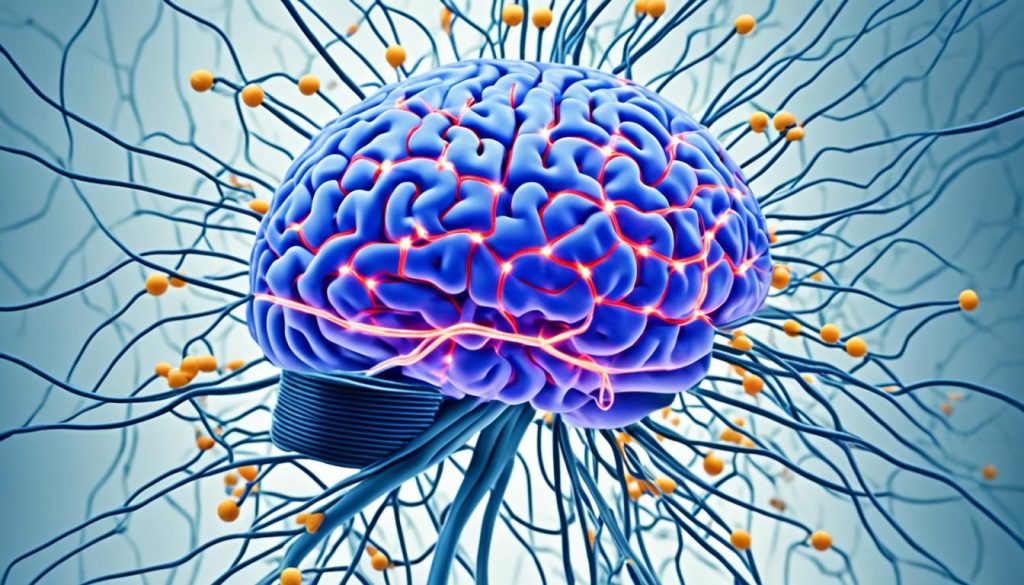
Depakote, clinically known as Divalproex Sodium, has been a cornerstone drug in seizure management across various epilepsy types. As a versatile anticonvulsant, Depakote serves an essential role for those living with epilepsy, providing patients with an efficacious treatment option tailored to their specific needs. Below is an exploration of those who stand to benefit most from Depakote’s broad anticonvulsant properties.
- Individuals with a broad range of epilepsy syndromes, from generalized to focal seizures
- Patients with diagnosis of pediatric epilepsy, where drug selection requires utmost vigilance
- Persons who have not responded optimally to other seizure medications and require an additional treatment strategy
- Those needing personalized treatment plans that involve therapeutic drug monitoring to minimize side effects and maximize efficacy
As with any medication, therapeutic drug monitoring is a critical element in the effective use of Depakote to manage seizures. This is particularly true when treating pediatric epilepsy, where dosage and plasma levels must be continuously adjusted to the childâs developing physiology. Depakote’s versatility as an anticonvulsant and its necessity for careful monitoring underscore its position as a staple in epilepsy management strategies.
Comprehensive Analysis of Depakote Uses: Bipolar Disorder and Migraine Prevention
Depakote, known generically as divalproex sodium, plays a pivotal role in modern psychiatric care and neurology. This comprehensive analysis delves into its utilization in managing bipolar mood disorder and its application in migraine prevention, alongside a discussion of its integration with other regimens like lamotrigine and lithium therapy. Pulling from the latest therapeutic guidelines, this evaluation presents practical insights into the drug’s efficacy and best-use scenarios.
Utilization of Depakote in Bipolar Mood Disorder
In the management of bipolar mood disorder, Depakote is frequently prescribed to stabilize mood fluctuations. Its mood-stabilizing properties are significant in both acute manic episodes and the maintenance phase, often positioning it as an alternative or adjunct to other mood stabilizers like lithium. From a monotherapy perspective, Depakote provides a cornerstone treatment for numerous patients, offering a semblance of normalcy in the tumultuous tide of bipolar disorder.
Depakote as Preventative Measure for Migraine Headaches
When it comes to migraine prevention, Depakote has emerged as a reliable prophylactic option. Its effectiveness has been endorsed through clinical studies, paving the way for its adoption as a standard in migraine prevention strategies. Patients who struggle with the recurrent disabling nature of migraines might find solace in the therapeutic benefits of Depakote, which efficiently averts the frequency of headache episodes.
| Condition | Treatment Options | Depakote Considerations |
|---|---|---|
| Bipolar Mood Disorder | Lithium, Lamotrigine, Atypical antipsychotics | Indicated for acute mania and maintenance; can be used as monotherapy or in combination |
| Migraine Prevention | Beta-blockers, CGRP antagonists, Botulinum toxin | Approved for the prophylactic treatment of migraine headaches; reduces episode frequency |
Assessing the Risks: Depakote Side Effects and Drug Interactions
While the therapeutic applications of Depakote are widely recognized, it is crucial for healthcare professionals and patients to stay informed about the Depakote side effects and drug interactions that can pose serious health risks. Understanding these potential hazards is essential for safe medication management and safeguarding patient health.
Monitoring for Hepatotoxicity and Pancreatitis
Depakote, known generically as divalproex sodium, presents a risk of liver damage or hepatotoxicity, especially within the first six months of treatment. Signs of liver trouble, such as jaundice, weakness, and abdominal pain, necessitate immediate attention. Likewise, as Depakote can also cause pancreatitis, a sudden onset of abdominal pain may require prompt evaluation to prevent serious complications.
Identifying Potential for Cognitive Development Impairment
In addition to the physical health concerns, there are particular risks regarding cognitive development in younger populations exposed to Depakote. Pregnant women should be aware of the heightened risks of birth defects and cognitive impairments in children exposed to the drug during gestation. It is paramount that those planning a pregnancy consult with healthcare providers to discuss safer alternatives.
A comprehensive medication guide is an invaluable resource for both patients and clinicians to navigate the spectrum of Depakote’s uses and potential side effects. Staying vigilant about side effects and fostering open communication between patient and provider ensures the best possible clinical outcomes when using this medication.
Safe and Effective Depakote Dosage: Tailoring Treatment to Individual Needs
When prescribing Depakote, achieving the optimal balance between efficacy and patient safety is crucial. This is no small feat, given the intricacies of personal health care and the need for individualized medication management. The process involves an in-depth understanding of the patient’s unique health profile, as effective treatment with Depakote hinges on numerous patient-specific considerations.
A robust Depakote dosage regimen starts with a comprehensive evaluation of the patient’s weight, age, and the type of condition being treated. Ensuring the right dosage forms are employed is equally essential in administering the drug safely and effectively. Communication between healthcare providers and patients is paramount for dosage modification and efficacy assessment.
| Consideration | Impact on Dosage | Monitoring and Adjustment Notes |
|---|---|---|
| Body Weight | Dosage proportional to patient’s body weight | Dosage adjustments may be necessary as weight fluctuates |
| Age | Geriatric and pediatric patients typically require different dosing | Regular assessments to adjust to age-related physiological changes |
| Medical Condition | Conditions such as epilepsy, bipolar disorder, and migraines have specific dosing guidelines | Treatment response and side effects guide dosage changes |
| Therapeutic Response | Initial low dose with gradual increases as needed | Continuous monitoring for maximum beneficial effect with minimal side effects |
Beginning treatment with a relatively low dosage of Depakote and carefully titrating upwards is a common strategy used to minimize potential side effects. The medication management team, which often includes doctors, pharmacists, and nurses, works collaboratively to monitor the patient’s reaction to the drug, making incremental increases only as tolerated and as required for therapeutic efficacy.
In the spirit of personal health care, it is imperative for patients to engage actively in their treatment plans, to report any side effects or concerns, and to adhere strictly to the prescribed Depakote dosage. This participative approach greatly increases the likelihood of a positive outcome, making each Depakote treatment plan as unique as the individual for whom it is designed.
Depakote Alternatives and Off-label Uses: Expanding Treatment Options
In the realm of psychiatric and neurological care, Depakote (Divalproex Sodium) has been a cornerstone for various approved uses. Despite this, the medical community is exploring a wider spectrum of applications, considering Depakote alternatives for certain conditions where Depakote may not be the optimal choice. Some individuals may not respond well to Depakote or may experience significant side effects, which necessitates the examination of other medications like lamotrigine or lithium. This exploration reflects the expansive therapeutic use of psychiatric medications and the nuanced approach required for effective individualized treatment.
Comparing Lithium and Lamotrigine to Depakote
Lithium comparison studies often point to its effectiveness in mood stabilization, particularly in bipolar disorder, with a distinct benefit in reducing the risk of suicide. However, for some patients, the side effects or long-term implications of lithium use may be prohibitive. On the other hand, lamotrigine has emerged as a noteworthy contender, especially for patients with bipolar disorder who experience more depressive episodes than manic. The patient’s specific condition, side-effect profile, and response to treatment ultimately guide the decision-making process.
Treating Neuropathic Pain and Other Conditions with Depakote
Neuropathic painâan area traditionally managed by anticonvulsants and antidepressantsâsees Depakote deployed as an off-label use. Ongoing studies are scrutinizing its efficacy in this new role alongside more established agents. The repurposing of Depakote for conditions outside of its primary indications epitomizes the evolving nature of pharmaceutical utilization, where a drug’s application is continuously reshaped by emerging evidence and clinical experiences.
| Medication | Primary Use | Alternative Use | Considerations |
|---|---|---|---|
| Depakote (Divalproex Sodium) | Epilepsy, Bipolar Disorder, Migraine Prophylaxis | Neuropathic Pain Treatment | Patient-specific factors such as tolerability and side effect profile |
| Lithium | Bipolar Disorder | Augmentation in Treatment-Resistant Depression | Risk of toxicity, regular monitoring required |
| Lamotrigine | Epilepsy, Bipolar Depression | Off-label for Borderline Personality Disorder | Stevens-Johnson Syndrome risk, slow titration required |

Special Considerations: Depakote Usage in Pediatrics, Pregnancy, and the Elderly
Prescribing Depakote (Divalproex Sodium) involves critical decision-making, particularly when it comes to special considerations for pediatric patients, pregnant women, and the elderly. The drug’s impact varies across these demographics, necessitating a tailored approach to ensure Depakote safety. For example, metabolic rates and enzyme activity differ in children compared to adults, requiring adjusted dosages and enhanced vigilance in monitoring.
Depakote and pregnancy is a complex issue, as the medication’s teratogenic effects can potentially lead to birth defects. It’s paramount that healthcare providers discuss alternative treatments and risk factors with women of childbearing age. In geriatric care, the drug’s side effects such as confusion or tremors can profoundly affect older adults, highlighting the need for cautious use and regular assessment.
The following table highlights the key considerations for Depakote usage in these groups:
| Population | Considerations | Risk Management |
|---|---|---|
| Pediatric Patients | Adjusted dosages based on weight and metabolic rate; monitoring for growth and developmental milestones | Regular blood level checks; close observation for behavioral changes |
| Pregnant Women | Risks of birth defects; alternatives should be considered if possible | Detailed counseling on potential impacts; strict contraception advice if used |
| Elderly Patients | Increased sensitivity to side effects; potential interactions with other medications | Lower initial dosages; frequent cognitive and coordination assessments |
When it comes to pediatric use, early geriatric care, or a woman’s journey with Depakote and pregnancy, practitioners are reminded of the importance of a patient-centric approach. Each scenario calls for an astute assessment of benefits versus hazards, as the equilibrium between treatment efficacy and safety risks can dramatically sway with age and physiological changes.
In summary, while Depakote serves as an indispensable medication for many, its use across sensitive populations must adhere to stringent guidelines and proactivity in recognizing and managing the risks associated. Through diligent special considerations, Depakote continues to be an essential, yet carefully administered, component in the landscape of contemporary healthcare.
Conclusion
In the realm of mental health treatment, Depakote Divalproex has emerged as a cornerstone therapy for managing conditions such as seizures, bipolar disorder, and migraine headaches. This medication has proven its efficacy, reinforcing the importance of a nuanced understanding of its multifaceted clinical applications. However, appreciating a Depakote summary is not merely about acknowledging its therapeutic potential; it also involves examining the risks associated with its use to safeguard patient well-being.
Informed healthcare decisions are paramount to navigating the complexities of Depakote’s uses and its implications on individual health. Clinicians and patients alike must engage in active dialogue to understand the balance between benefits and possible side effects. By prioritizing patient-specific concerns and maintaining rigorous monitoring protocols, optimized therapeutic outcomes can be attained. It is this personalized approach that characterizes modern patient care in the sphere of neurology and psychiatry.
Looking forward, the medical community continues to advance through research and shared mental health treatment insights, playing a critical role in evolving how Depakote is utilized. The commitment to ongoing studies and patient education is the key to unlocking greater therapeutic successes with this versatile medication, ensuring it remains an invaluable asset in patient treatment regimens across diverse demographics.
FAQ
What is Depakote and what is it used for?
Depakote, also known as Divalproex sodium, is a medication used to treat seizure disorders, bipolar mood disorder, and as a prophylactic for migraines. It acts as an anticonvulsant and mood stabilizer.
How does Depakote work in the brain?
Depakote works by increasing the levels of gamma-aminobutyric acid (GABA) in the brain, which is an inhibitory neurotransmitter. It also modulates voltage-gated ion channels, reducing neuronal excitability and preventing seizures.
What types of seizures is Depakote prescribed for?
Depakote is prescribed for a variety of seizure types including myoclonic, absence epilepsy, generalized convulsions, partial seizures, and status epilepticus as part of its seizure management profile.
Can Depakote be used for the treatment of bipolar disorder?
Yes, Depakote is widely used to manage acute manic or depressive episodes associated with bipolar disorder and can be used alone or in conjunction with other medications like atypical antipsychotics.
Is Depakote effective in preventing migraines?
Depakote has been approved by the FDA as a preventative treatment for migraines, helping to reduce the frequency, severity, and duration of migraine headaches in many patients.
What are some potential side effects of taking Depakote?
Some potential side effects include hepatotoxicity, pancreatitis, nausea, vomiting, drowsiness, tremor, and weight gain. It is important for patients to be monitored regularly for these and other possible adverse effects.
Are there any known drug interactions with Depakote?
Yes, Depakote can interact with several medications including aspirin, warfarin, other antiepileptic drugs, and certain antibiotics, among others. It’s crucial to inform healthcare providers of all medications currently being taken.
What should be considered when prescribing Depakote to children?
When prescribing Depakote to children, particularly those under 10 years of age, careful consideration should be given to the balance of efficacy and safety. Monitoring for side effects and proper dosage adjustments are critical.
Is Depakote safe during pregnancy?
Depakote carries significant risks during pregnancy, including congenital malformations and cognitive impairments. Alternative treatments should be considered, and if Depakote is absolutely necessary, it should be used under close medical supervision.
What are some alternatives to Depakote?
Alternatives to Depakote for the treatment of bipolar disorder and seizures include lithium, lamotrigine, and other antiepileptic drugs. The choice of an alternative should be based on individual patient factors and treatment goals.
How is the correct dosage of Depakote determined?
The correct dosage of Depakote is determined based on a patient’s body weight, age, the specific condition being treated, and individual response to the medication. Dosage usually starts low and is adjusted accordingly.
Can Depakote be used off-label for other conditions?
Yes, Depakote has off-label uses for conditions such as neuropathic pain and is being researched for use in other conditions, like certain cancers and neurodegenerative diseases.
Are there special considerations for the elderly when using Depakote?
Yes, the elderly may be more sensitive to the side effects of Depakote and may require lower dosages. They should be closely monitored for adverse effects, particularly those related to liver function and cognitive impairment.


