
What is Dissociative Identity Disorder?

Dissociative Identity Disorder (DID), also known as Multiple Personality Disorder, is a mental health condition characterized by a loss of connection between thoughts, memories, feelings, behavior, and identity. It is a complex disorder that often arises as a response to traumatic or distressing events, serving as a coping mechanism to push away difficult memories. Key […]
What is Alcohol Use Disorder?

Alcohol Use Disorder (AUD) is a medical condition that encompasses alcohol abuse, alcohol dependence, alcohol addiction, and alcoholism. It is characterized by the impaired ability to control or stop alcohol use despite negative consequences. Individuals with AUD experience lasting changes in the brain caused by alcohol misuse, which make them vulnerable to relapse. Evidence-based treatment […]
What is Bulimia Nervosa: Uncovering the Truth about the Eating Disorder

Bulimia Nervosa is a serious and potentially life-threatening eating disorder characterized by recurrent episodes of binge eating followed by purging behaviors. It is commonly known as bulimia and is marked by a preoccupation with body shape and weight. Individuals with bulimia often have a negative self-image and engage in purging behaviors such as vomiting, laxative […]
What is Anorexia Nervosa?

Anorexia Nervosa is an eating disorder characterized by abnormally low body weight, an intense fear of gaining weight, and a distorted perception of weight. Those who suffer from anorexia engage in extreme efforts to control their weight through severe food restriction, excessive exercise, and other harmful behaviors. It is not solely about food but also […]
What is Benzodiazepine Use Disorder?

Benzodiazepine use disorder, also known as benzodiazepine addiction or abuse, refers to the misuse of benzodiazepines without a prescription or for recreational purposes. This behavior poses risks of dependence, withdrawal, and other long-term effects. Benzodiazepines are commonly prescribed for anxiety and insomnia but can lead to physical dependence and addiction. Misuse of benzodiazepines can be […]
What is Stimulant Use Disorder?

Stimulant Use Disorder refers to the continued use of stimulants despite the harm they cause to the user. Stimulants can include cocaine, amphetamine, methamphetamine, MDMA, and prescription drugs like Adderall and Ritalin. Misuse of these stimulants can lead to various side effects, such as elevated heart rate, dilated pupils, increased blood pressure, sweating or chills, […]
What is Acute Stress Disorder?

Acute Stress Disorder (ASD) is a mental health problem that can occur in the first month after a traumatic event. It shares similarities with Post-Traumatic Stress Disorder (PTSD) and is characterized by symptoms such as flashbacks, nightmares, avoidance of reminders of the event, and difficulty concentrating. The causes of ASD can vary and include experiencing […]
What is Adjustment Disorder: Understanding Causes, Symptoms, and Treatment Options in the U.S.

Adjustment disorder is a condition characterized by an excessive reaction to stress, resulting in negative thoughts, intense emotions, and behavioral changes. In the United States, many individuals experience adjustment disorder, which can significantly impact their daily lives and emotional well-being. It is crucial to understand the causes, symptoms, and available treatment options for this condition […]
Unraveling the Intricacies of Substance Use Disorder

Substance Use Disorder (SUD) is a mental disorder that affects both the brain and behavior of individuals. It is characterized by the inability to control the use of substances such as drugs, alcohol, or medications. SUD can range from moderate to severe, with addiction being the most severe form. Many individuals with SUD also experience […]
What is Insomnia?
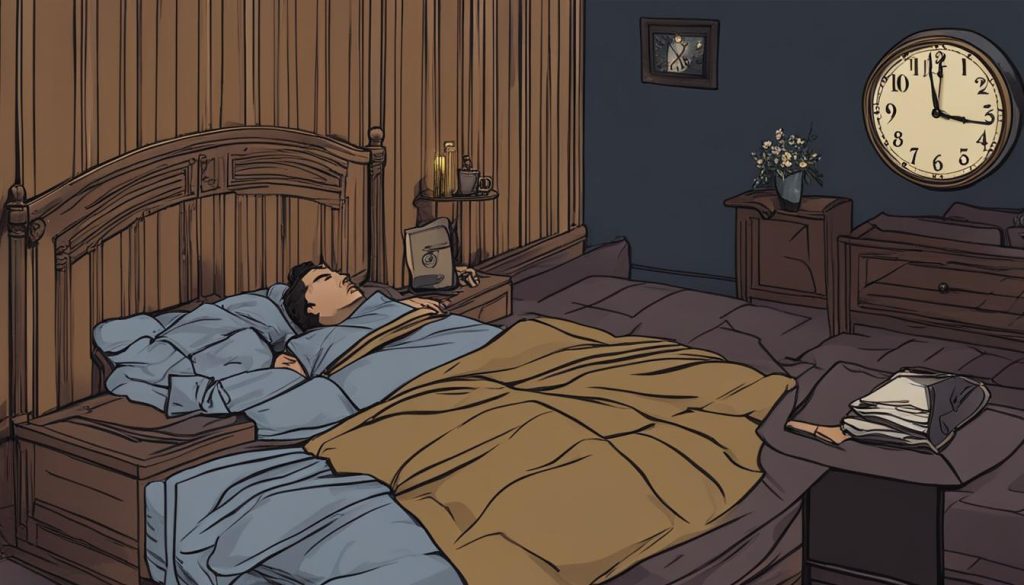
Insomnia is a common sleep disorder that affects people’s ability to fall asleep, stay asleep, or get good quality sleep. It can disrupt daily activities and lead to daytime sleepiness. Short-term insomnia can be caused by stress or changes in schedule, while chronic insomnia occurs three or more nights a week for more than three […]